eSIM for Mykonos: Data, Signal and Setup for Your Trip (2026)
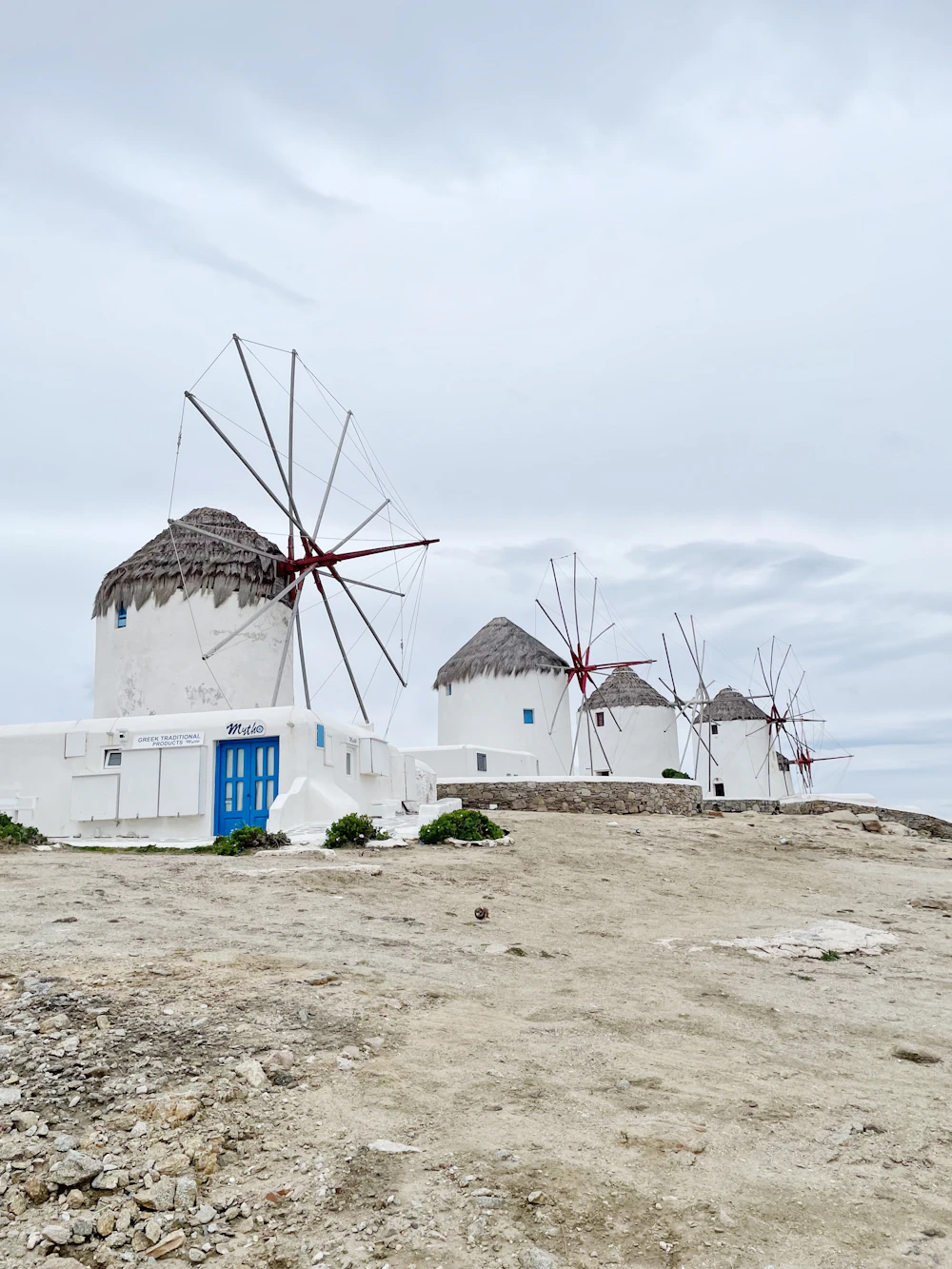
Mykonos runs on bookings and last-minute plans: a beach club table, a boat to Delos, a sunset spot in Little Venice, a ferry back to Athens that changes time. It is an island where being offline for an hour can cost you a reservation. This guide covers how to get data in Mykonos, how much you need, where signal is strong, and how to install an eSIM before you arrive.
Getting data in Mykonos: the real options
- Your home operator's roaming. Free within the EU under "roam like at home" (within a fair-use cap). Outside the EU, roaming is often costly. Check your plan first.
- A Greek prepaid SIM. Cosmote, Vodafone and Nova sell tourist SIMs, mainly in Mykonos Town and in Athens. You need your passport and a shop visit, and your home number goes quiet while the Greek SIM is active.
- An eSIM. Buy a Greece plan online, install it before you fly, and it activates when your phone finds a Greek network. Your normal SIM stays on for calls and bank codes.
How much data does a Mykonos trip use?
- Weekend (2–3 days): 2–3 GB for maps, bookings, messaging and photos.
- A week: 5 GB is comfortable, more if you post a lot of video from beaches and clubs.
- Heavy use (streaming, hotspot, remote work): 10 GB or more.
If your trip also includes Athens, Santorini or Paros, a single Greece plan covers them all. See how much data you need abroad for a breakdown by activity.
Signal around Mykonos
Mykonos Town, the harbour, Ornos, Platis Gialos, Psarou, Paradise and Super Paradise are well covered by 4G, with 5G in the busiest parts. Honest caveats:
- Busy peaks slow things down. In July and August, beach clubs and the old town in the evening can be congested, on any network.
- Delos. The island of Delos is a short boat ride away and is a protected archaeological site. Do not count on a reliable signal there. Download your tickets and maps first.
- Remote beaches in the north. Signal can weaken on quieter, windier beaches such as Agios Sostis. Save an offline map if you plan to drive there.
Arriving by plane or ferry
Mykonos airport (JMK) is small, and taxis and transfers fill up in peak season. Having data when you land lets you book or confirm a transfer. Ferries from Piraeus and Rafina, and flights to other islands, change at short notice, so live updates matter. Install your eSIM at home over Wi-Fi so it switches on when you land or dock.
Setting up a Mykonos eSIM in 3 steps
- Check compatibility. Your phone needs eSIM support and must be carrier-unlocked. See the compatibility guide.
- Pick a Greece plan on the Greece eSIM page and pay by card. The QR code comes by email.
- Scan it on Wi-Fi before you fly, using the installation guide. It turns on once you reach Greece.
One Greece plan works in Mykonos, Santorini, Athens and all the islands. Plans start at €0.99 and arrive by email in seconds.
See Greece eSIM plansFAQ: eSIM for Mykonos
Is there a Mykonos-only eSIM?
No. eSIMs are sold per country, so a Greece plan works in Mykonos and on the rest of Greece.
Does the eSIM work on the beaches?
On the main beaches, yes. The busiest ones can be slower at peak times, and very remote coves may have weak signal.
Will I have signal on the ferry?
Usually yes close to the coast and between nearby islands. It can fade in the middle of longer open stretches and returns as you approach the next port.
Do I need a Greek number?
Not for restaurants, boats or transfers. Most bookings use apps and messaging. Keep your normal SIM active for your own number and verification codes.
Going to more than one island? Read the full Greece eSIM guide or the Santorini guide. Use code WELCOME10 for 10% off your first order.